Free Drawing Prompts for UCEED, CEED, NID & NIFT
Practice Part B sketching with free prompts for UCEED, CEED, NID-DAT and NIFT. Browse prompts, sketch with a timer, submit your work, and learn from the community gallery. to submit your sketch or rate others' work.
Drawing prompts
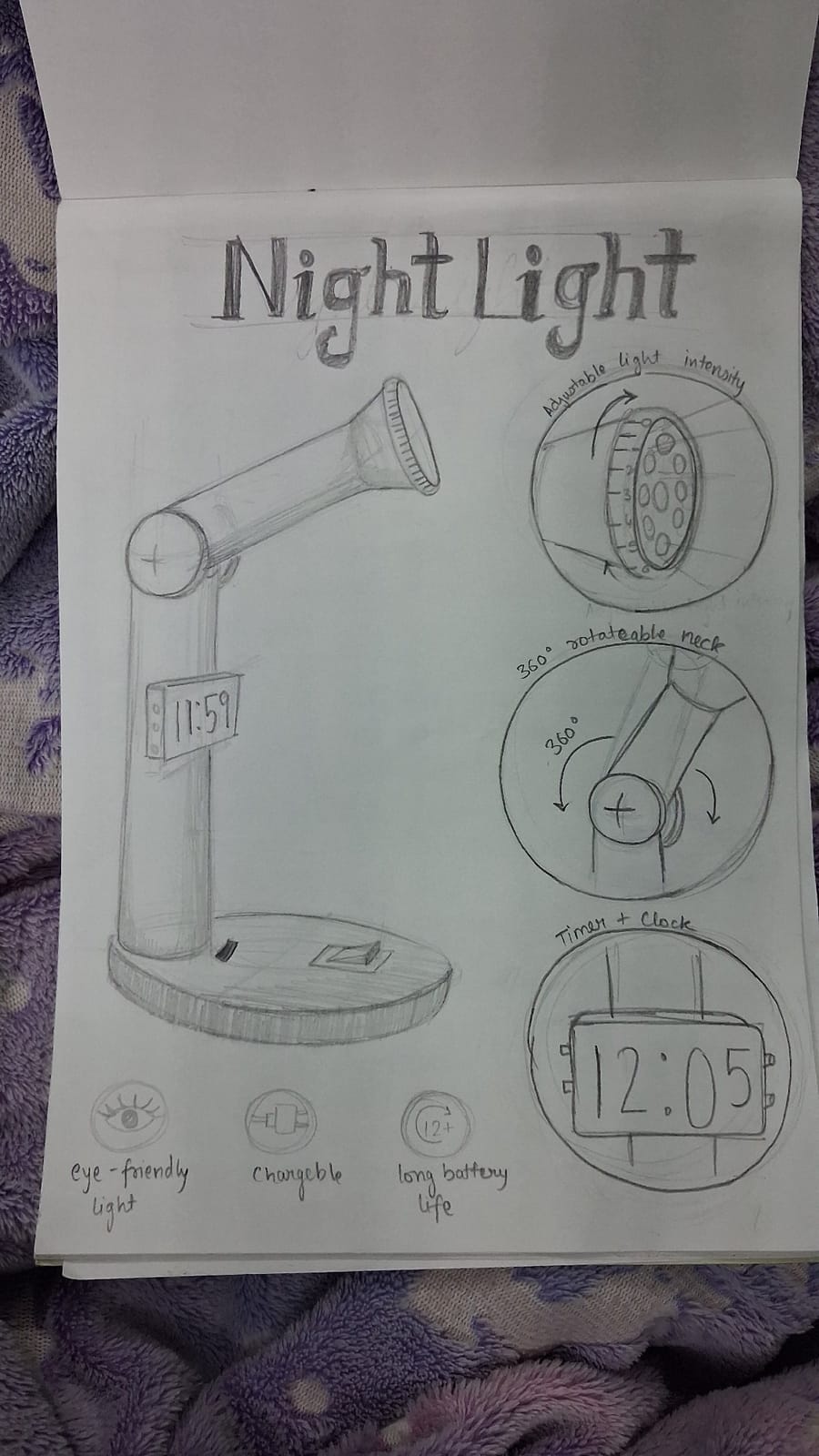
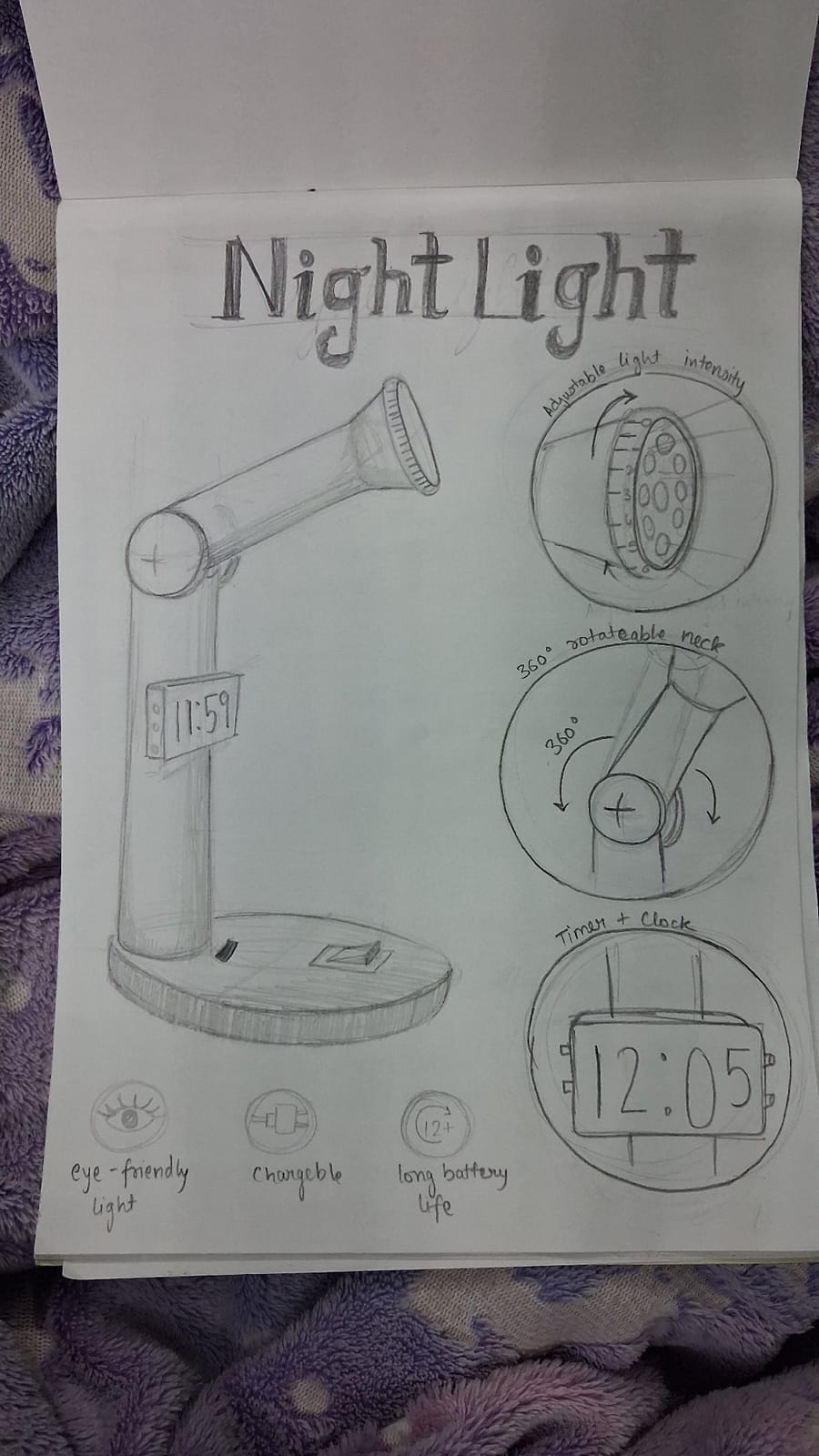
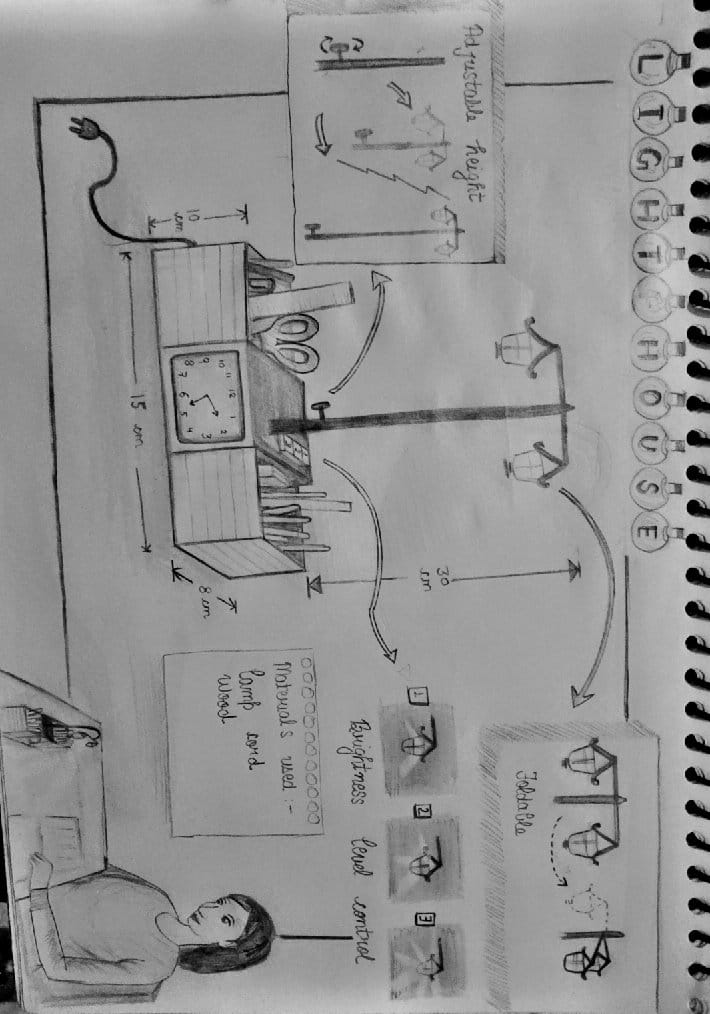
Design a Desk Lamp for Night Readers
A night reader needs a desk lamp that provides adjustable lighting for reading. The lamp should have flexible brightness settings and an adjustable arm to focus light in different directions. It should be compact enough to fit on a bedside table and have a base that prevents tipping. Additional features could include a built-in clock or a space to hold pens. Design this desk lamp with the user’s needs in mind. Sketch your design and visually explain the features with clear labels.
A Rainy Evening at a Cafe
On a rainy evening, two friends are sitting by the large glass window of a cozy café. One friend is sipping coffee while reading a book, while the other is sketching in a notebook. Outside, the street is wet, with reflections of streetlights shimmering on the ground. A couple holding an umbrella is walking by, and a stray dog is sitting under a shop awning, avoiding the rain. The atmosphere inside the café is warm, with the glow of hanging lights, plants near the window, and the quiet hum of conversation. You are sitting at a table across from them, observing this scene. Draw this scenario from your point of view inside the café.
The Tiny Hostel Room
A student has transformed a tiny hostel room into a personal space. There is a bed, study table, backpack, clothes, posters, headphones, shoes, books, and random objects occupying almost every available surface. Task: Draw the room from the viewpoint of a person standing at the doorway, looking diagonally into the room. Challenge: Demonstrate accurate one/two-point perspective, furniture proportions, depth, and spatial relationships. Aesthetic direction: Personal, expressive, slightly chaotic student room, functional but full of personality.
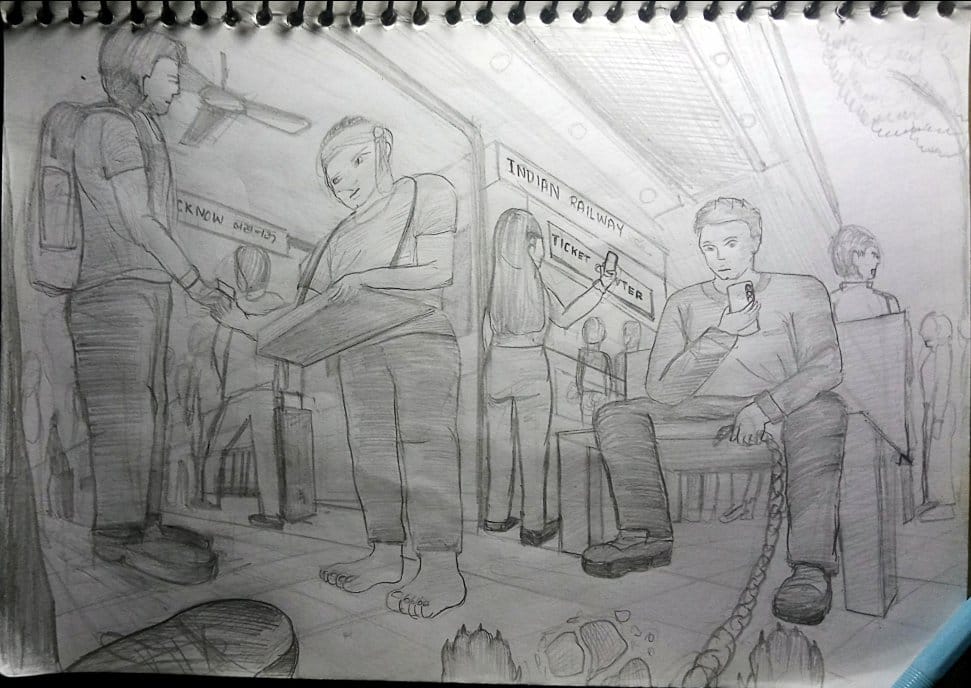
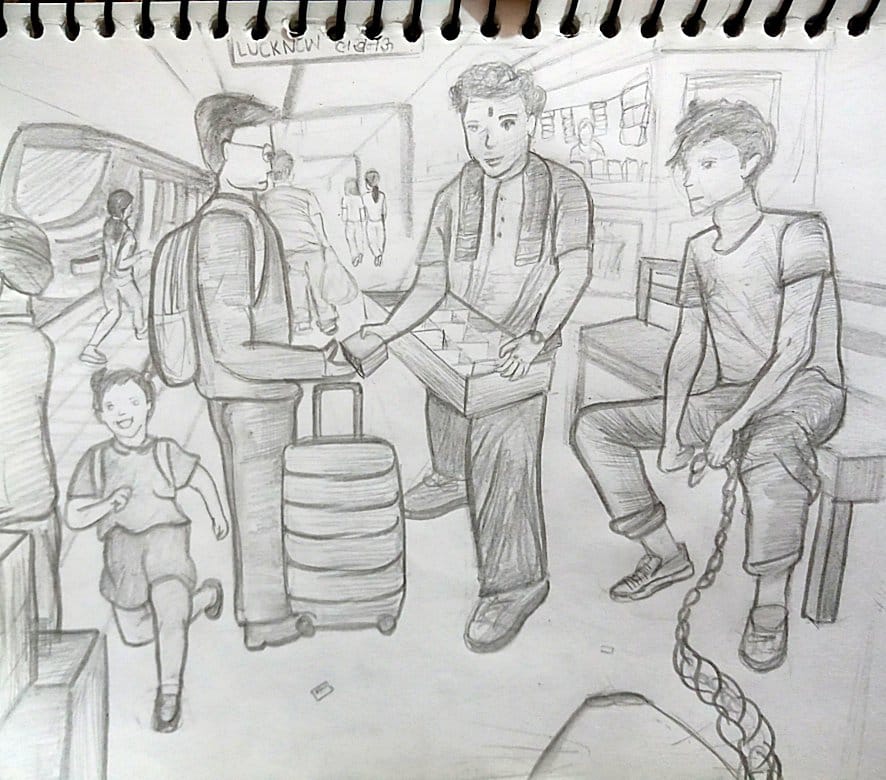
Sketching from dog's point of view
Mahesh is at a busy railway station with his dog (Goku). The station is filled with a lot of crowd and people are rushing to trains, vendors calling out, and luggage scattered around. The person is holding the dog’s leash while waiting near the platform. Mahesh can be at any part of India. Imagine the scenario and sketch this scene from the dog’s point of view. The sketch should be clear, visible and show movement.
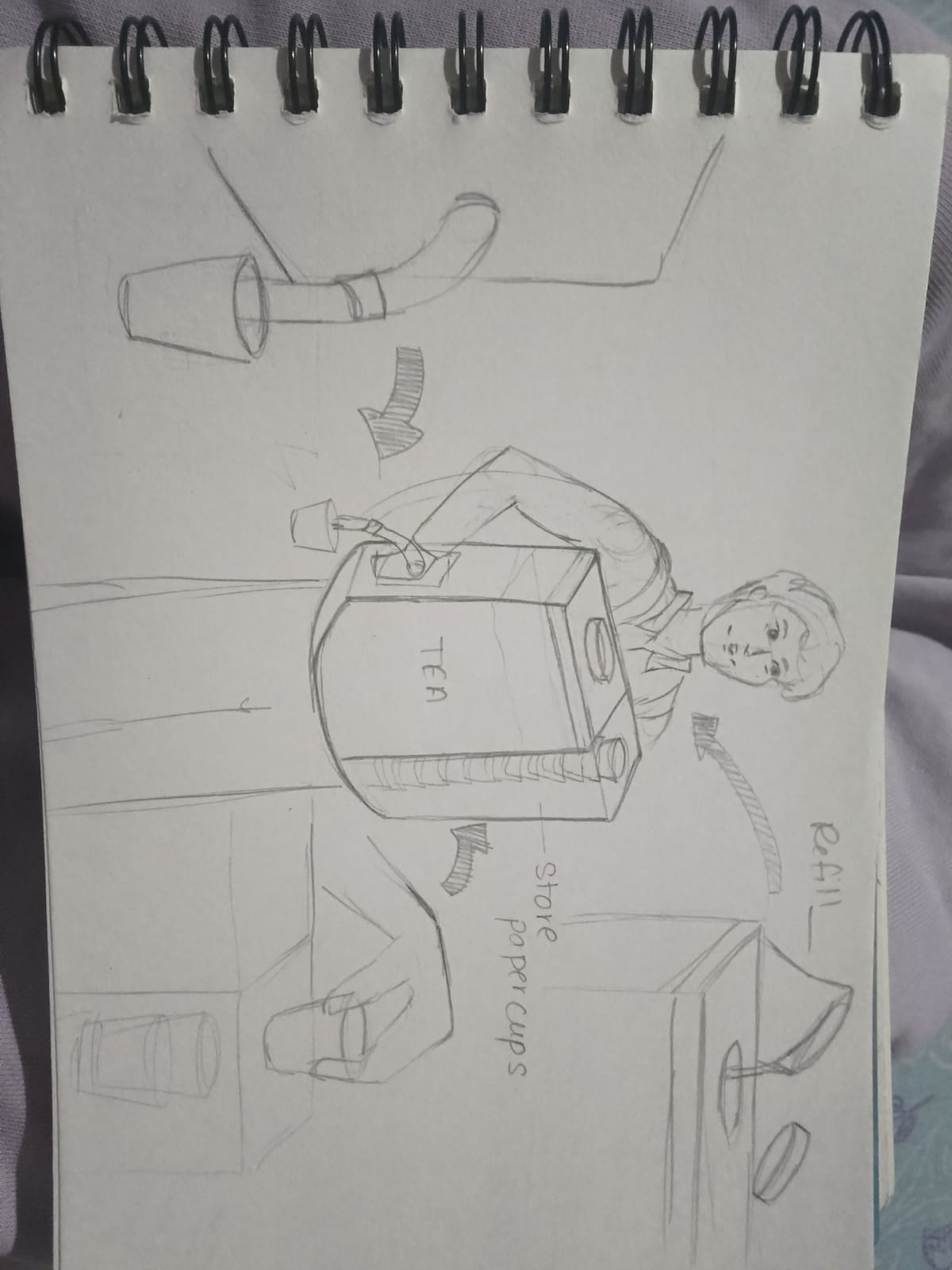
Designing for Tea Stall
In India, tea stall workers (chaiwala’s) prepare and serve countless cups of tea daily at bus stops, markets, and railway stations. They often struggle to carry multiple cups at once, balancing trays in crowded spaces where spillage is common. What if there was a portable, hands-free tea-carrying device that could make serving faster, spill-proof, and stylish? Design a device that a tea stall worker could use to carry and serve multiple cups of tea safely in a crowded place. It should be lightweight, compact enough to store when not in use, easy to clean, and attractive to look at. Show the device when: it is folded/packed and kept aside, and it is expanded/ready to carry cups of tea.
Make Maggi
A friend who has never cooked before wants to make a simple bowl of Maggi without any help. Task: Create a visual user manual showing the complete process from opening the packet to serving the finished Maggi.
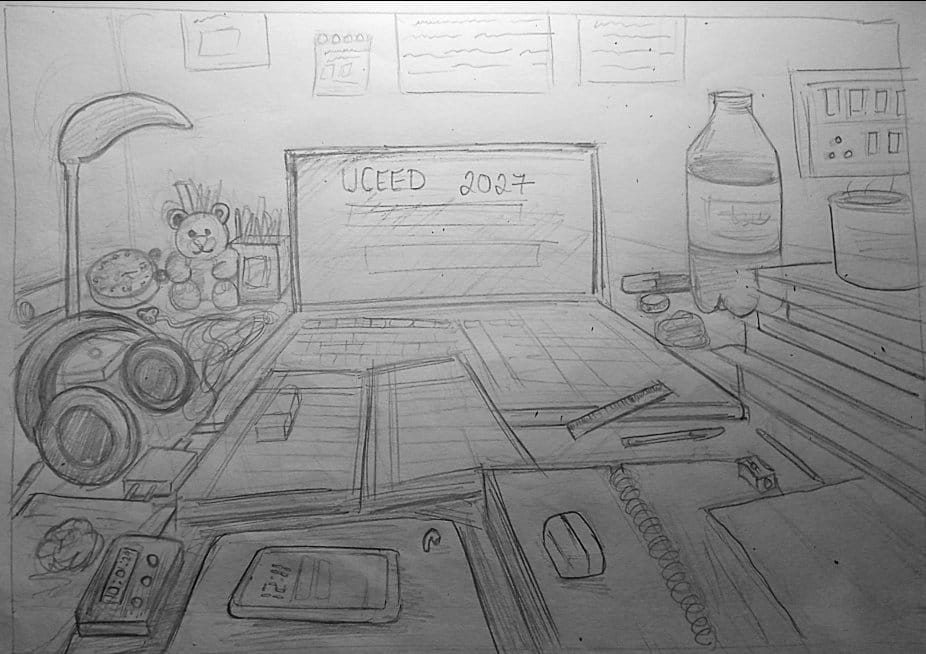
The Messy Gen-Z Study Desk
A design student has been working through the night. Their desk is crowded with a laptop, sketchbook, headphones, coffee cup, stationery, charging cables, sticky notes, and a desk lamp. Task: Draw the scene from the viewpoint of a person sitting directly in front of the desk. Show the objects with correct scale, overlap, depth, and perspective. Challenge: Make the scene feel naturally messy without losing spatial clarity. Aesthetic direction: Contemporary student workspace — minimal furniture, expressive clutter, believable everyday objects.
Design a “No-Screen” Alarm Clock for Gen-Z
Many young people use their phones as alarm clocks, which often leads to checking notifications immediately after waking up. Design a physical alarm clock that provides the essential functions of waking the user without encouraging screen usage. It should allow the user to understand the time, alarm status, and snooze interaction quickly. Aesthetic direction: Make it a beautiful bedroom object. Experiment with light, shadow, physical movement, typography, or unconventional ways of displaying time instead of simply copying a digital clock. Sketch your design and visually explain its features with clear labels.
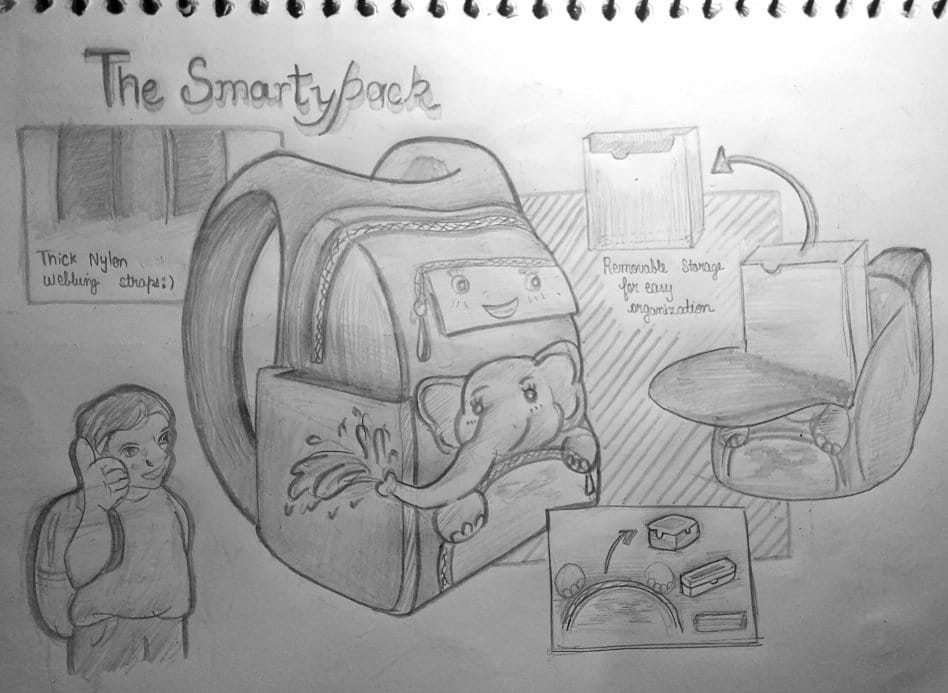
Design a School Bag for Young Children
A primary-school child carries books, a water bottle, lunch, and stationery to school every day. The bag should be comfortable to carry, easy for the child to organise, and prevent items from getting damaged or lost. Design a school bag for children aged 6–10 with compartments and features suited to their daily needs. Consider weight distribution, easy access, safety, and visibility. Aesthetic direction: The bag should feel playful, friendly, and energetic, using rounded forms, soft edges, and simple visual elements that appeal to children without becoming overly decorative. Sketch your design and visually explain the features with clear labels.
Sketch a garage view from security camera
In a small garage, three men are drinking energy drinks after a long day of driving. Draw the scene from the point of view of a security camera placed in one corner of the garage.
Your Delivery Isn’t Free.
Food and online shopping deliveries often arrive with layers of plastic bags, wrappers, containers, and packaging. Design a poster encouraging young consumers to think about packaging waste when ordering online. Challenge: Explore the contrast between the few minutes of convenience and the long life of the waste.
Silence Is Also a Public Space
Excessive honking, loud music, modified exhausts, and unnecessary noise are common in crowded Indian cities. Design a poster encouraging people to reduce unnecessary noise in public spaces. Challenge: Make sound visible and use that visual idea to communicate the problem.
Fast Fashion. Slow Planet
Trends change rapidly, encouraging people to buy clothes they may wear only a few times before replacing them. Design a poster encouraging young people to think before buying clothes simply because they are trending. Challenge: Visually connect fashion trends with waste in an unexpected way.
Don’t Make a Screenshot of Someone’s Life
Private conversations, photographs, and personal moments are sometimes shared online without the person's permission. Design a poster promoting respect for privacy and consent in digital spaces. Challenge: Use the language of screenshots, notifications, chats, or social media to create a clever visual message.
Your AC Has a Carbon Footprint
Extreme summer temperatures are pushing more people towards air conditioners and cooling appliances, increasing energy consumption. Design a poster encouraging young people to use cooling responsibly and think about energy consumption. Challenge: Create a visual relationship between comfort and its environmental cost without simply showing an AC and a planet.
Poster Design
People increasingly walk, cycle, or commute while completely absorbed in music, calls, or videos. This can reduce awareness of traffic and their surroundings. Design a poster encouraging people to stay aware of their surroundings while using headphones in public spaces. Challenge: Create a visual contrast between what the person hears and what they fail to notice.
Poster Design
Young people often reuse simple passwords or share personal information online without thinking about the consequences. Design a poster encouraging young internet users to take basic digital privacy and security seriously. Challenge: Use an unexpected visual metaphor to communicate that personal information is valuable.
Poster Design
Indian roads are shared by cars, bikes, buses, pedestrians, cyclists, and auto-rickshaws. Impatience, aggressive driving, unnecessary honking, and road rage can make everyday travel stressful and unsafe. Design a poster encouraging young drivers and riders to practise patience and respect on the road. Challenge: Use humour, irony, or a clever visual metaphor to make the message memorable rather than simply showing a traffic accident.
Poster Design
Restaurants, college canteens, weddings, and homes often throw away large quantities of edible food. At the same time, food insecurity remains a serious issue for many people. Design a poster encouraging young people to take only what they can eat and reduce unnecessary food waste. Challenge: Create a visual connection between excess and waste without using predictable images of starving people.
Poster Design
While travelling, walking, or crossing roads, people often remain absorbed in their phones. A few seconds of distraction can become dangerous in a busy street. Design a poster encouraging pedestrians and commuters to stay alert and keep their phones away while crossing roads. Challenge: Create a sharp, contemporary visual that communicates the danger instantly without becoming preachy.
Showing 1–20 of 33
Latest community sketches
Approved Part B sketches from DShala students, with mentor feedback.
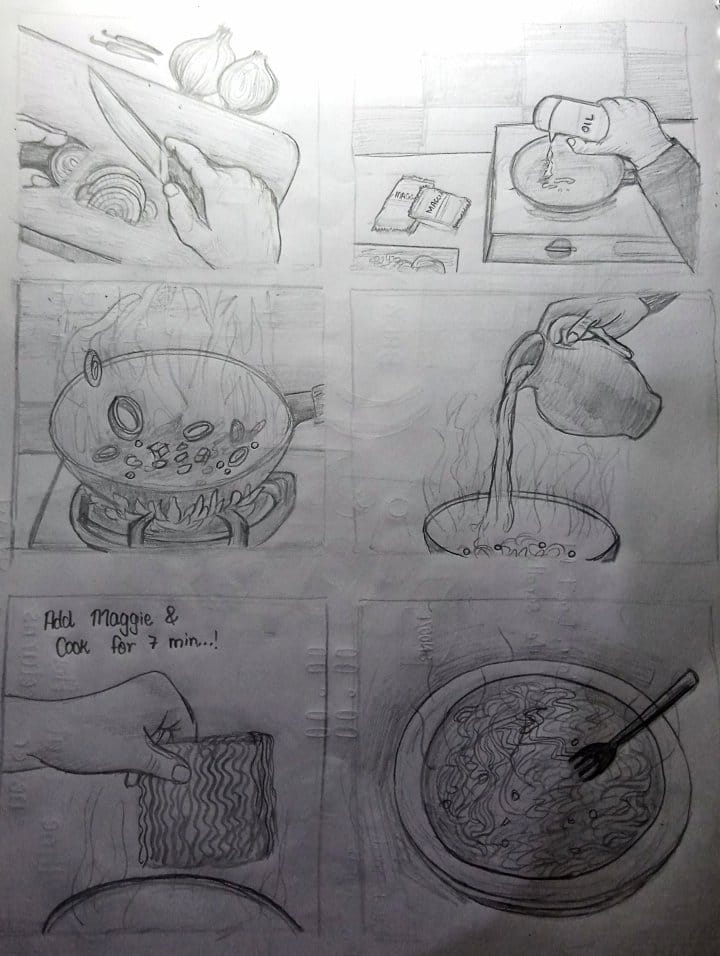
Make Maggi
DShala student
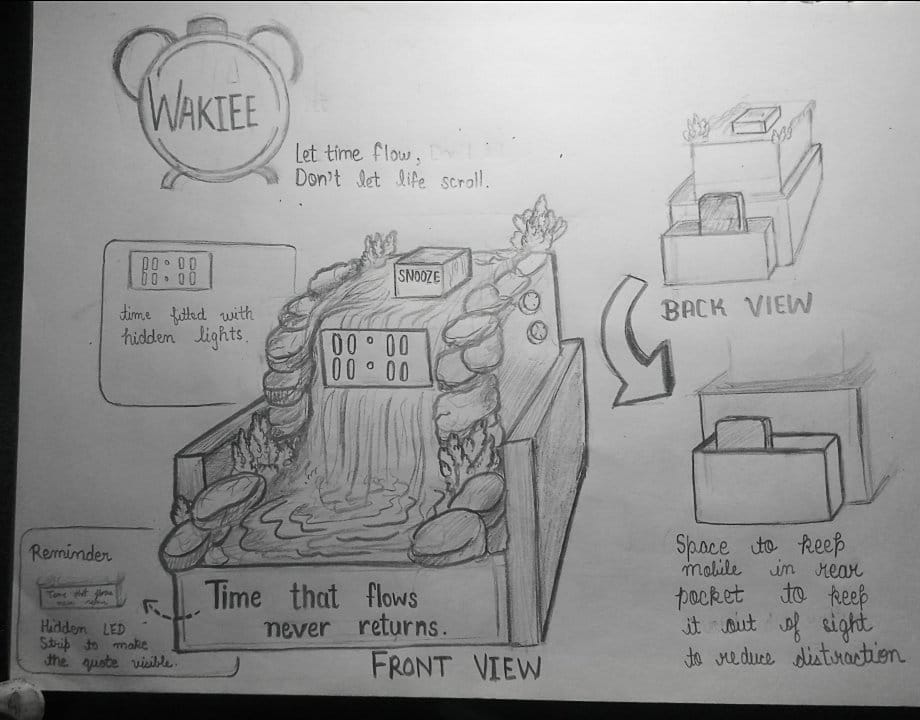
Design a “No-Screen” Alarm Clock for Gen-Z
DShala CEED student
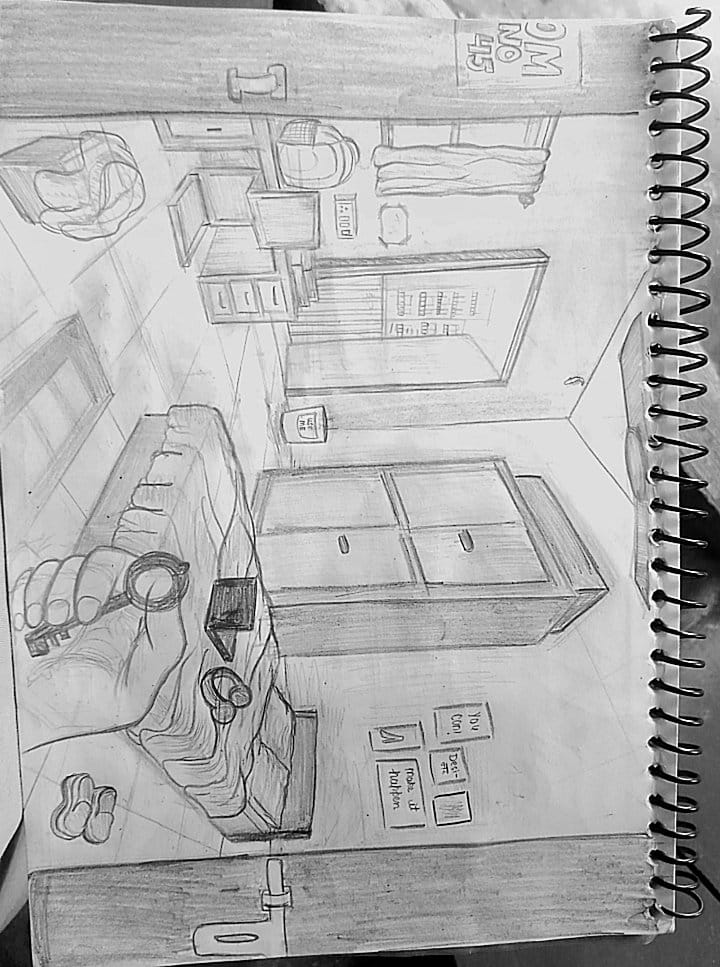
The Tiny Hostel Room
DShala UCEED student
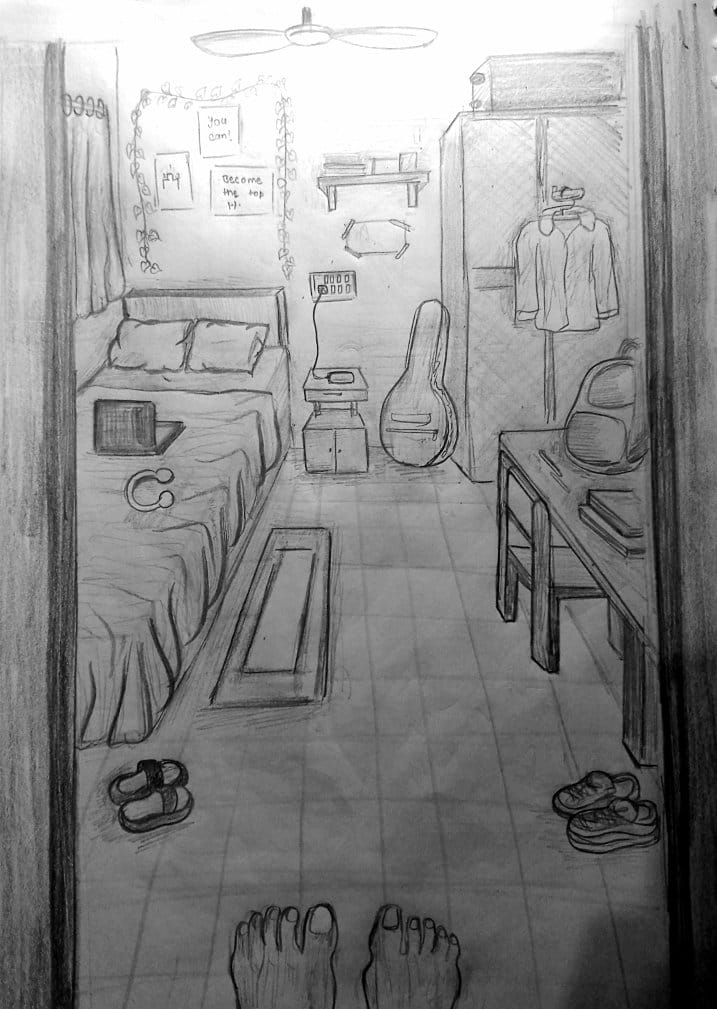
The Tiny Hostel Room
DShala UCEED student
The Messy Gen-Z Study Desk
DShala UCEED student
Design a School Bag for Young Children
DShala CEED student
Sketching from dog's point of view
DShala CEED student
Sketching from dog's point of view
DShala CEED student
Design a Desk Lamp for Night Readers
DShala UCEED student
Design a Desk Lamp for Night Readers
DShala UCEED student
Designing for Tea Stall
DShala UCEED student
Design a Desk Lamp for Night Readers
DShala UCEED student